Swollen eyelids are a common problem that can affect anyone at any given time. It can have many origins, from simple allergies to more serious infections. In this article, we’ll look at the different causes, symptoms and effective treatments to help you better understand and manage this situation.
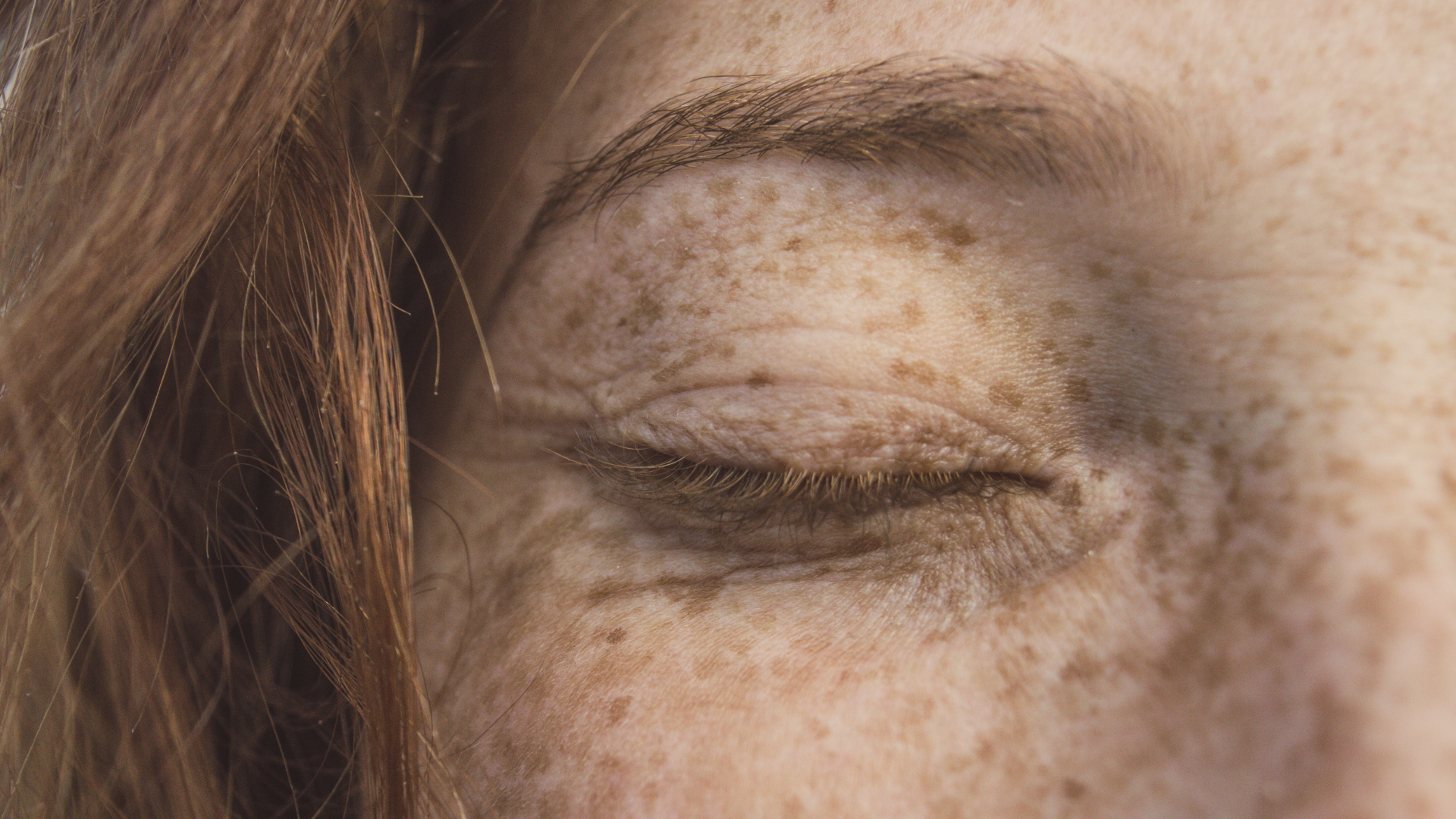
Causes of eyelid swelling
There are several factors that can cause eyelid swelling. Among the most common are :
- Allergies: Exposure to allergens such as pollen, dust or the chemicals in cosmetics can cause an allergic reaction, resulting in swollen eyelids.
- Infections: Bacterial, viral or fungal infections can also cause eyelid inflammation. Among the most common infections are conjunctivitis, styes and dacryocystitis (infection of the lacrimal sac).
- Trauma: A blow to the eye, a scratch to the cornea, surgery or a burn can cause inflammation of the eyelid.
- Eye conditions: Certain eye conditions, such as glaucoma or Hashimoto’s thyroiditis, can lead to excess fluid in the tissues surrounding the eye, causing swelling of the eyelid.
Symptoms associated with eyelid swelling
Eyelid swelling can be accompanied by a number of symptoms:
- Redness and warmth: The affected area may appear red and warm to the touch due to inflammation.
- Itching: In case of allergy, it is common to feel itching around the eyes.
- Tearing: Inflammation of the eyelid can lead to excessive tear production.
- Difficulty opening the eye: In some cases, eyelid swelling can make it difficult to open the eye completely.
- Blurred vision: In the event of infection or trauma, vision may be temporarily impaired.
Effective treatments to reduce eyelid swelling
Treatment of eyelid swelling depends on the underlying cause. Here are some general approaches:
1. Application of cold compresses
Applying a cold compress to the closed eye can help reduce inflammation and relieve itching. We recommend using a clean cloth soaked in cold water, or cooled tea bags, and applying them for 10 to 15 minutes, several times a day.

2. Use of antihistamine or anti-inflammatory eye drops
In the case of allergy, antihistamine eye drops can help limit the itching and redness associated with eyelid swelling. In the case of more severe inflammation, steroid eye drops may be prescribed by a doctor.
3. Antibiotics or antivirals
If the cause of eyelid swelling is a bacterial infection, antibiotics such as ointments or eye drops may be prescribed by a doctor. In the case of a viral infection, antiviral drugs may be prescribed.
4. Over-the-counter medicines
To relieve pain, itching and inflammation, you can use non-steroidal anti-inflammatory drugs (NSAIDs), such as ibuprofen, available over the counter in pharmacies. It is essential to follow the recommended doses and consult a doctor if symptoms do not improve.

5. Hygiene measures
Maintaining good eye hygiene is essential to prevent or treat eyelid swelling. It’s important to wash your hands regularly, especially before touching your eyes, to avoid rubbing your eyes to prevent swelling from getting worse, and to regularly disinfect glasses and contact lenses.
When should you see a doctor?
We recommend consulting a doctor if eyelid swelling is accompanied by severe pain, fever, sudden loss of vision, or if the swelling does not improve despite home treatments. A healthcare professional will be able to prescribe a treatment tailored to the cause of the swelling, and carry out further tests if necessary.
In short, eyelid swelling can have several origins and be associated with different symptoms. The choice of effective treatment will depend on the underlying cause. A medical consultation will often be necessary for an accurate diagnosis and appropriate management.